

Oil and gas sites operate in one of the most hazardous industrial environments in the world. Every day, workers deal with flammable substances, pressurized equipment, confined spaces, and heavy machinery. In such conditions, a single misstep can trigger a chain reaction of serious consequences. This is why the work permit system for oil and gas is not just a compliance tool but a critical safety control that determines whether a job proceeds safely or turns into a disaster.
A permit is more than a document. It is a structured process that verifies people, equipment, risks, and controls before work begins. When managed digitally, this process becomes faster, more transparent, and far more reliable across complex operational environments.
Why One Approval Can Change the Outcome of a Job
Every major incident investigation eventually leads back to a missing control. Very often, that missing control is an incomplete or bypassed permit approval. A proper approval is not a formality. It confirms that risks have been identified, isolations are in place, workers are trained, and emergency procedures are understood. Without this final sign-off, tasks move forward on assumptions instead of verified safety conditions.
In oil and gas operations, multiple high-risk activities often run simultaneously. Hot work may be happening near confined space entries while lifting operations occur overhead. A digitally controlled permit environment connects all these activities in real time so that one approval does not exist in isolation. It becomes part of a larger safety ecosystem that prevents dangerous overlaps before they occur.
This is exactly where a strong digital system could help organizations shift from reactive response to proactive prevention.
The Role of Digital Permit Systems in Modern Oil & Gas Operations
Traditional paper-based permits depend heavily on physical presence, manual signatures, and verbal communication. These methods slow down operations and introduce blind spots. When permits go digital, visibility improves across departments instantly. Supervisors can see live permit statuses, isolation details, and authorization history without walking across the site.
For companies that want scalability and centralized control, choosing the right platform becomes crucial. Many operations today actively look to buy permit to work software because digital systems remove bottlenecks, reduce administrative delays, and significantly strengthen safety governance.
A well-designed system does not only digitize permits but integrates them with induction records, contractor data, and safety documentation. This ensures that no permit is issued unless every compliance condition is already verified in the background.
How Digital Permits Support Online Induction Training
Online induction training and digital permit systems work best when they are connected. A worker may complete training modules online, but unless that data is linked to permit authorization, there is still a risk of unqualified personnel entering high-risk zones.
When permit systems are integrated with induction platforms, supervisors can instantly verify whether a worker has completed the necessary site-specific and task-specific training before approving any job. This cross-verification removes dependency on verbal confirmation and outdated spreadsheets.
Such an interconnected approach could help reduce human error, improve accountability, and create a continuous safety validation loop across the entire workforce.
Mobile Access and Offline Capability on Remote Sites
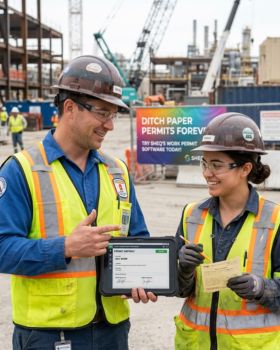
Oil and gas operations frequently take place in remote locations where network connectivity cannot always be guaranteed. This is where the value of a digital work permit app becomes critical. A mobile-first permit platform allows supervisors, engineers, and safety teams to create, review, and approve permits directly from the field.
Even more important is offline functionality. When systems continue to operate without internet access, data does not get lost, approvals are not delayed, and operations stay controlled. Once connectivity is restored, the system syncs automatically. This ensures safety workflows never come to a standstill due to technical limitations.
By offering both web-based and offline-capable mobile access, platforms like SHEQ Network could help organizations maintain consistent safety oversight even in challenging operational environments.
Choosing the Right Software for Long-Term Safety Control
With many vendors in the market, companies often struggle to identify the top work permit software that truly fits their operational needs. The right solution must go beyond basic digital forms. It should provide real-time dashboards, permit linking, automated alerts, audit trails, and seamless integration with contractor management and induction training systems.
An effective platform also needs to support multi-site control, role-based approvals, risk categorization, and permit lifecycle tracking from request to closure. When these elements work together in a single system, management gains full visibility into site activities without depending on fragmented tools.
This level of clarity could help safety teams shift their focus from chasing paperwork to actively preventing incidents through data-driven decisions.
Why Permit-to-Work Systems Are No Longer Optional
In today’s regulatory environment, compliance alone is not enough. Authorities increasingly expect digital traceability, documented risk assessments, and auditable approval workflows. A digital permit environment supports all of this automatically.
For growing operations, many companies now actively get permit to work software as part of their digital safety transformation. This decision is driven not only by compliance but by performance. Faster approvals, fewer shutdowns, and stronger contractor oversight lead directly to higher productivity and reduced financial risk.
Permits that integrate with incident reporting, chemical inventory, induction training, and contractor portals create a unified safety framework instead of fragmented compliance tools.
How Digital Permits Reduce Contractor-Related Incidents
Contractors are often involved in the highest-risk tasks on oil and gas sites. Welding, shutdown maintenance, electrical isolation, and confined space work frequently fall under third-party responsibility. Digital permit systems ensure that every contractor task is authorized, verified, and monitored under the same safety standards as internal operations.
By connecting contractor credentials, training records, and insurance documentation directly to the permit approval workflow, unsafe gaps are automatically eliminated. Unauthorized workers cannot receive permits, expired certifications are flagged instantly, and supervisors gain full control over who is allowed to perform critical tasks.
This integrated structure could help reduce contractor-driven incidents that typically result from miscommunication and documentation failures.
One Approval as a Safety Barrier, Not a Delay
Many field teams still see approvals as obstacles that slow down progress. In reality, approvals are safety barriers that protect people and assets. A single digital approval can confirm gas testing, equipment isolation, PPE requirements, and emergency readiness in seconds.
Instead of delaying work, a well-built digital workflow accelerates safe execution. Approvals move faster because all information is verified in advance. There is no chasing signatures, no lost permits, and no uncertainty about site conditions.
When approvals function as smart controls instead of administrative hurdles, safety and productivity improve together.
Building a Predictive Safety Culture Through Permit Data
Every digital permit generates data. Over time, this data reveals powerful insights about where risks concentrate, which tasks generate the most hazards, and where procedural breakdowns occur. Organizations that analyze this information gain predictive safety intelligence rather than relying only on past incidents.
Recurring permit types, frequent isolation errors, or repeated hot work near hazardous zones become visible patterns. This intelligence could help management intervene early, redesign procedures, and allocate resources more effectively before accidents occur.
A digital permit system thus becomes not only a control tool but a continuous improvement engine for the entire safety program.
The Future of Oil & Gas Safety Is Fully Connected
As the oil and gas industry continues its digital transformation, disconnected safety systems will become increasingly unsustainable. Induction training, contractor management, chemical safety, and work permits must operate as one connected ecosystem. Digital permit platforms that integrate smoothly across these functions offer long-term operational resilience.
Companies that adopt these systems today are not only meeting current compliance demands but preparing for future regulatory expectations, remote workforce expansion, and data-driven safety governance.
When one approval is supported by verified training, live risk visibility, offline mobile access, and centralized compliance control, it becomes more than permission to work. It becomes the final safeguard that stands between routine operations and catastrophic failure.
At SHEQ Network, digital work permit systems are built to support oil and gas operations with real-time visibility, offline mobile access, and seamless integration with online induction training and contractor compliance — helping safety teams stay in control without slowing work down.
Book your personalized demonstration today today and experience how a digital approach could help simplify induction, compliance, and workforce readiness. Our team will walk you through features tailored to your requirements.
📞 Contact Us:
USA: +1 (941) 337-167
Ireland: (+353) 21 4536034
UK: (+44) 800 8021092
🚀 Learn how SHEQ Network can support safer workflows!
📧 info@sheqnetwork.com
🔗 Learn more at sheqnetwork.com



2 Comments