

Understanding the Complexity of Contractor Safety and Training
Contractors play a critical role in modern industrial operations, construction projects, manufacturing facilities, and large infrastructure environments. However, managing contractor safety and training is often more complex than managing internal employees. Contractors frequently work across multiple sites, follow different organizational processes, and may not be fully integrated into internal safety systems. This can lead to gaps in training, inconsistent compliance, and increased risk exposure for organizations.
Organizations are increasingly turning to digital systems and platforms to centralize contractor safety processes. A modern contractor management approach helps organizations standardize training, track compliance, and ensure every contractor meets regulatory and organizational requirements before entering a site.
Why Contractor Management Matters for Safety and Compliance
Effective contractor management is essential for reducing workplace incidents and maintaining regulatory compliance. Without a centralized system, organizations often rely on spreadsheets, emails, and manual documentation to track contractor credentials, training records, and certifications. This fragmented approach makes it difficult to ensure real-time visibility into contractor compliance and can result in outdated records, missed renewals, or unverified personnel on site.
A digital contractor software platform can simplify this process by consolidating contractor data into a single system. This allows safety teams to monitor training status, verify documentation, and automate reminders for expiring certifications. Over time, this structured approach could help organizations reduce administrative workload while improving overall safety performance.
The Role of a Contractor Portal in Training and Safety
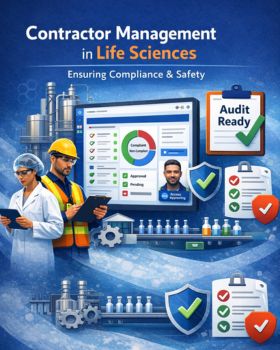
A centralized contractor portal provides contractors and organizations with a shared digital workspace. Contractors can upload documents, complete training modules, and track their compliance status, while organizations can review and approve contractor credentials in real time. This transparency improves accountability and ensures that all contractors meet site-specific safety requirements before performing any work.
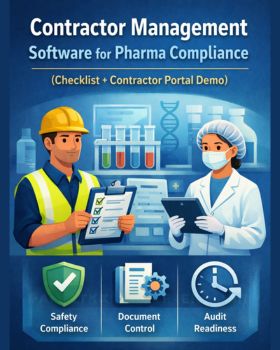
A contractor portal demo can give organizations a clear understanding of how such a platform functions in real-world scenarios. During a demo, safety teams can explore features such as automated workflows, compliance dashboards, and training tracking tools. Seeing the system in action often helps organizations evaluate whether the platform aligns with their operational needs.
Evaluating Contractor Portal Pricing and Value
When adopting digital tools, organizations often evaluate cost alongside functionality. Contractor portal pricing typically depends on factors such as the number of contractors, required modules, and integration needs. While pricing is an important consideration, organizations should also evaluate the long-term value of automation, reduced risk, and improved efficiency.
A well-implemented contractor management platform could help organizations avoid costly incidents, penalties, and downtime associated with safety non-compliance. Over time, the return on investment may outweigh the initial software costs, especially for organizations with large contractor workforces or complex regulatory requirements.
Training Management for Contractors in High-Risk Industries
Industries such as oil and gas, manufacturing, construction, and utilities require strict safety training for contractors. Training requirements often include site induction, hazard awareness, equipment handling, and emergency response procedures. Managing these training programs manually can be time-consuming and prone to errors.
Digital training management within contractor software allows organizations to assign training modules, track completion, and generate compliance reports. Contractors can complete training remotely before arriving on site, reducing onboarding time and improving productivity. This structured approach ensures contractors are prepared for site-specific risks and procedures, which could help reduce incidents and improve operational efficiency.
How Automation Enhances Contractor Safety Oversight
Automation plays a key role in modern contractor management systems. Automated reminders, compliance alerts, and document verification workflows reduce the reliance on manual follow-ups. This ensures that no contractor is allowed to work without valid training or certifications.
Advanced contractor software platforms also provide analytics and reporting tools that help safety teams identify trends, gaps, and potential risks. For example, organizations can analyze training completion rates, contractor incident records, and audit findings to proactively improve safety programs. This data-driven approach enables organizations to make informed decisions and strengthen their safety culture.
Choosing the Best Contractor Management Software for Your Organization
Selecting the best contractor management software requires careful evaluation of organizational needs, industry requirements, and scalability considerations. Organizations should assess whether the platform supports contractor onboarding, training management, compliance tracking, document management, and reporting capabilities.
Integration with existing enterprise systems, such as EHS platforms, HR systems, and asset management tools, is another important factor. A unified system reduces duplication of data and ensures consistent safety information across the organization. Additionally, user-friendly interfaces for contractors and administrators improve adoption and reduce training time.
The Impact of Digital Contractor Management on Organizational Performance
Implementing a structured contractor management system can have a significant impact on organizational performance. Improved visibility into contractor compliance reduces uncertainty and strengthens risk management processes. Standardized training ensures consistent safety practices across all contractors, regardless of location or project.
Organizations that adopt digital contractor management tools often experience reduced administrative burden, improved audit readiness, and enhanced communication with contractors. These benefits collectively contribute to safer operations and improved regulatory compliance.
Why Booking a Demo Is an Important Step
Before implementing any contractor management platform, organizations should explore its features and capabilities through a live demonstration. A demo allows stakeholders to understand system workflows, evaluate usability, and assess how the platform aligns with organizational processes.
Booking a free demo provides an opportunity to explore real-time dashboards, compliance tracking features, and training management tools in action. This hands-on experience can help organizations make informed decisions and identify how the platform could help optimize contractor safety and training management.
Future Trends in Contractor Safety and Training Management
As organizations continue to adopt digital transformation initiatives, contractor management platforms are expected to become more advanced. Artificial intelligence, predictive analytics, and mobile-enabled training are emerging trends that could further enhance contractor safety oversight. Real-time monitoring, digital audits, and integrated risk management systems will likely play a larger role in future contractor management strategies.
Organizations that invest in digital contractor management systems today are better positioned to adapt to evolving regulatory requirements and operational challenges. A proactive approach to contractor safety and training can strengthen organizational resilience and improve long-term performance.
Conclusion
Contractor safety and training management is a critical component of modern organizational risk management. Manual processes and fragmented systems can create gaps in compliance and increase safety risks. Digital contractor software platforms provide centralized visibility, automated workflows, and structured training management to address these challenges.
Exploring a contractor portal demo and understanding contractor portal pricing can help organizations evaluate the right solution for their needs. Selecting the best contractor management software requires careful consideration of functionality, scalability, and integration capabilities. By adopting a structured contractor management approach, organizations could help improve safety outcomes, streamline compliance processes, and enhance overall operational efficiency.
For organizations exploring ways to strengthen contractor safety and compliance frameworks, a discussion with our team may help. You can “Schedule a 45-minute Call” here:
https://sheqnetwork.com/schedule-a-call/
📞 Contact Us:
USA: +1 (941) 337-1671
Ireland: (+353) 21 4536034
UK: (+44) 800 8021092
🚀 Learn how SHEQ Network can support safer workflows!
📧 info@sheqnetwork.com
🔗 Learn more at sheqnetwork.com



2 Comments