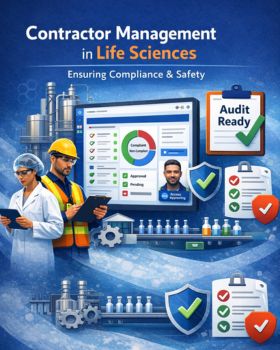
Workplace safety and regulatory responsibility continue to evolve as organizations manage increasingly complex operations. Companies now work with larger contractor networks, operate across multiple locations, and must meet stricter regulatory expectations. Because of this shift, EHS Compliance is no longer limited to paperwork and periodic inspections. It has become a continuous process supported by digital systems, real-time monitoring, and stronger collaboration between internal teams and contractors.
As businesses prepare for the coming years, several emerging trends are shaping how organizations approach compliance and safety oversight. These developments are influencing how contractors are onboarded, how safety information is tracked, and how organizations maintain accountability across projects.
Understanding these trends could help EHS professionals strengthen their safety strategies while ensuring that contractors meet the same standards expected of full-time employees.

The Growing Importance of Contractor Safety Management
Contractors play a critical role in industries such as construction, manufacturing, energy, and utilities. However, managing contractor safety presents unique challenges. Contractors may work on site for short periods, operate under different employers, or arrive with varying levels of safety training.
This is where modern technology is beginning to play a more important role. A structured safety program for contractors could help organizations ensure that every contractor entering a worksite understands safety procedures, documentation requirements, and operational expectations before beginning work.
Instead of relying on manual paperwork and fragmented processes, many organizations are adopting digital solutions that centralize contractor information. These platforms allow safety teams to track qualifications, monitor compliance documentation, and maintain consistent safety standards across all contractors working on site.
When contractor safety is properly managed, companies not only improve compliance outcomes but also create safer and more efficient worksites.

Digital Contractor Management Systems Are Transforming Compliance
One of the most significant trends influencing EHS strategies in 2026 is the adoption of digital contractor management tools. A modern contractor management system provides a centralized environment where organizations can manage contractor onboarding, track safety documentation, and monitor contractor activities.
These systems could help simplify processes that were once time-consuming and difficult to manage. Instead of reviewing paper records or spreadsheets, EHS professionals can access contractor profiles, safety documentation, and work approvals within a single platform.
Digital systems also provide better visibility into contractor activity. Managers can confirm that contractors have completed required training, submitted documentation, and met workplace requirements before work begins.
By organizing contractor information in one place, companies gain a clearer picture of their contractor workforce while maintaining stronger control over compliance obligations.

Smarter Contractor Checks Instead of Manual Verification
Traditional contractor onboarding often involves lengthy document reviews and manual verification steps, which can slow down project timelines and create administrative burdens for safety teams. As workplaces become more complex, many organizations are moving toward smarter digital approaches that streamline contractor assessments without delaying operations.
In many contractor management processes, organizations traditionally referred to document review as safety verification. However, in practice these processes are better described as checks, where required documentation, certifications, and compliance information are reviewed to ensure contractors meet site safety requirements before starting work.
Modern digital systems are helping organizations manage these checks more efficiently. These platforms allow EHS teams to review contractor documentation, safety certifications, training records, and compliance details within a centralized system before contractors begin work on site.
Automated contractor checks could help ensure that required documentation is reviewed efficiently while maintaining strong oversight. Instead of spending significant time on manual administration, EHS teams can focus more on improving safety performance and monitoring contractor activities.
By replacing traditional manual verification processes with structured digital checks, organizations can maintain strong compliance standards while improving operational efficiency and supporting safer worksites.

The Rise of Integrated Contractor Software Platforms
Another key trend shaping EHS management is the increasing use of integrated contractor software platforms. In the past, companies often used separate systems for safety management, contractor onboarding, and compliance tracking. This fragmented approach made it difficult to maintain consistent oversight.
Integrated contractor platforms are changing this approach by bringing multiple safety functions into a single environment. Contractor onboarding, safety documentation, training records, and compliance monitoring can all be managed within one system.
This integration could help safety teams reduce administrative workloads while ensuring that important safety information remains accessible and organized. It also allows decision-makers to identify potential compliance gaps more quickly.
When contractor data, safety documentation, and work approvals are managed through a unified platform, organizations gain greater visibility into their safety performance and contractor activities.

Data-Driven Compliance and Real-Time Oversight
As safety technology continues to evolve, organizations are placing greater emphasis on data-driven decision-making. Real-time reporting tools and analytics dashboards are helping EHS professionals understand safety performance across their operations.
A modern contractor management software platform could help collect and organize safety information related to contractor activities, training completion, documentation status, and worksite compliance. With this information readily available, safety managers can identify trends, monitor contractor engagement, and address potential risks before incidents occur.
Data visibility is becoming an essential component of effective EHS management. When organizations have access to accurate safety data, they can develop stronger safety strategies and continuously improve their compliance programs.

Improving Contractor Engagement Through Technology
Safety performance depends not only on policies and procedures but also on engagement from everyone involved in the workplace. Contractors must clearly understand safety expectations, operational guidelines, and reporting procedures.
Digital platforms are helping organizations communicate safety requirements more effectively. Contractors can access safety materials, training instructions, and onboarding information before arriving on site. This preparation could help ensure that contractors begin work with a clear understanding of workplace expectations.
When contractors are properly informed and engaged in safety practices, organizations reduce the likelihood of misunderstandings, delays, and safety incidents.

Why Organizations Are Requesting Contractor Software Demonstrations
As digital solutions continue to gain traction, many organizations are exploring how contractor management tools can support their compliance strategies. Safety teams often begin this process by requesting a contractor management software demo to understand how these systems operate in real-world environments.
A demonstration allows organizations to evaluate features such as contractor onboarding workflows, document management tools, and compliance tracking capabilities. It also helps decision-makers determine whether the system aligns with their operational requirements.

How SHEQ Network Could Help Strengthen Contractor Compliance
Organizations looking to improve contractor oversight and streamline compliance processes could benefit from modern digital tools designed specifically for safety management.
SHEQ Network provides a powerful contractor management software solution designed to help organizations manage contractor onboarding, safety documentation, compliance checks, and contractor activities within a single platform.
The system could help organizations:
- Improve EHS Compliance across multiple worksites
- Implement a structured safety program for contractors
- Simplify contractor onboarding and documentation management
- Maintain clear contractor records through a centralized contractor management system
- Streamline contractor oversight using integrated contractor software
If you are looking to modernize how contractors are managed and improve compliance visibility across your organization, exploring the SHEQ Network platform could be a valuable step.
👉 Learn more about the solution here:
https://sheqnetwork.com/contractor-management-software/
Or request a contractor management software demo to see how the platform works and how it could help strengthen contractor safety and compliance within your organization.

Schedule a 45-minute call:
Book your personalized demonstration today
📞 Contact Us
USA: +1 (941) 337-1671
Ireland: (+353) 21 4536034
UK: (+44) 800 8021092
📧 info@sheqnetwork.com
🔗 https://sheqnetwork.com/