
Organizations across industries rely on contractors to deliver specialist skills, support operational activities, and complete critical projects. From maintenance and engineering services to construction and facility management, contractors often play an essential role in day-to-day business operations. However, managing contractor information, documentation, training records, and compliance requirements can become increasingly complex as contractor numbers grow.
Many organizations still manage contractor records using spreadsheets, emails, paper files, and disconnected systems. While these methods may work on a small scale, they can become difficult to maintain when dealing with multiple contractor companies, numerous employees, and ongoing documentation requirements. A modern Contractor Management Software solution can help organizations centralize contractor information, improve visibility, and create more efficient processes for managing contractor-related activities.

Why Effective Contractor Management Matters
Contractors frequently require ongoing monitoring of insurance certificates, licences, competency records, training documentation, induction status, risk assessments, and company information. When these records are stored across multiple locations, administrative teams often spend valuable time searching for documents, tracking expiry dates, and following up on missing information.
A structured Contractor Management System can help organizations maintain a clearer overview of contractor requirements while supporting more consistent management processes. By centralizing information within a single platform, businesses can access contractor records more efficiently and gain greater visibility into workforce status across projects and locations.
Beyond administrative efficiency, a well-managed contractor program can support stronger communication between contractors and internal teams, helping organizations maintain accurate records and improve collaboration throughout contractor engagements.

Centralizing Information Through a Contractor Portal
One of the key advantages of a digital Contractor Portal is the ability to store contractor company information and employee records within a centralized environment. Contractor companies often need to provide a variety of documents, including insurance certificates, licences, safety manuals, risk assessments, permits, and operational documentation.
At the same time, organizations may need access to contractor employee information such as training records, induction completion, competency documentation, and background checks. Managing these records manually can create administrative challenges and reduce visibility when information is spread across different systems.
A centralized contractor portal can help organizations access documentation more quickly while maintaining better control over contractor information. Authorized users can review records, track documentation status, and monitor contractor requirements without relying on multiple databases or paper-based processes.
This improved visibility can support more informed decision-making and reduce the time spent managing contractor administration.

Supporting Compliance Through Structured Contractor Checks
Contractor compliance often involves reviewing documentation at various stages of the contractor lifecycle. Insurance certificates may require periodic renewal, licences can expire, and training records often need updating as workforce requirements change.
Modern Contractor Software solutions can support structured contractor checks by providing centralized tracking for critical documentation and workforce records. Automated notifications and alerts can help administrators identify upcoming renewal dates and outstanding requirements before they require additional attention.
Instead of manually monitoring large volumes of information, organizations can use digital workflows to support more consistent review processes. This approach helps improve visibility into contractor requirements while simplifying ongoing administration.
Contractor checks can also contribute to stronger internal governance by providing documented processes for reviewing contractor information throughout the engagement period.

Streamlining Risk Management and RAMS Reviews
Risk management remains an important consideration when working with contractors. Organizations often require contractors to submit Risk Assessment Method Statements (RAMS) before commencing specific activities or projects.
Managing these documents through email and manual review processes can create delays, version control challenges, and difficulties locating approved records when needed. A digital contractor management platform can help centralize RAMS submissions and provide structured review workflows that support greater transparency throughout the process.
Reviewers can access documentation more efficiently, monitor approval status, and maintain records of comments and revisions. This centralized approach can support more effective collaboration between contractors and internal stakeholders while helping maintain organized documentation records.

Discover How EHA Soft Can Support Your Organization
Organizations need more than just document storage to effectively manage contractors. They require visibility, streamlined workflows, compliance tracking, onboarding tools, reporting capabilities, and real-time access to critical contractor information.
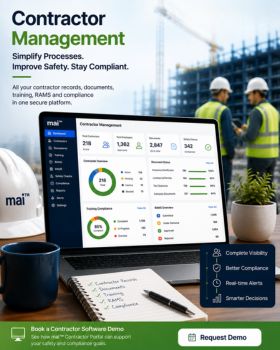
EHA Soft’s Contractor Management Solution helps businesses centralize contractor records, manage documentation, track training and competency requirements, streamline onboarding processes, and improve operational visibility through a single digital platform.
From contractor compliance and document management to risk assessments, reporting dashboards, alerts, and performance monitoring, EHA Soft provides the tools organizations need to create a more efficient and structured contractor management process.
Looking for a smarter way to manage contractor compliance, onboarding, training records, and documentation? Book a demo today and discover how EHA Soft can help simplify contractor management, improve visibility, and support your business objectives.

Improving Contractor Onboarding Processes
Contractor onboarding is often one of the most time-consuming aspects of contractor management. Organizations typically need to collect documentation, review qualifications, conduct contractor checks, assign induction training, and complete approval workflows before contractors begin work.
Manual onboarding processes frequently involve multiple email exchanges, paperwork, and follow-up requests. These activities can increase administrative workload and extend onboarding timelines.
A modern Contractor Management System can support a more streamlined onboarding process by centralizing document collection, questionnaire completion, approval workflows, and training management activities. Contractors can submit information through a single platform while administrators review submissions more efficiently.
This structured approach can reduce administrative effort while creating a more consistent onboarding experience for both contractors and internal teams.

Vendor Rating and Performance Monitoring
Contractor management extends beyond compliance and onboarding activities. Many organizations also seek to evaluate contractor performance over time to support procurement decisions and continuous improvement initiatives.
Vendor rating functionality can provide a structured method for reviewing contractor performance across projects and operational activities. Organizations can assess factors such as communication, responsiveness, documentation quality, and service delivery using standardized evaluation criteria.
Historical performance data can support more informed contractor selection decisions while helping organizations identify opportunities to strengthen contractor relationships and improve overall project outcomes.

Manual Processes Versus Digital Contractor Management
Many businesses continue to manage contractor information through spreadsheets and shared folders. While these methods may appear cost-effective initially, they can become increasingly difficult to manage as contractor numbers increase.
Manual systems often require significant effort to locate documentation, track renewals, generate reports, and monitor contractor status. Information may become fragmented across departments, reducing visibility and increasing administrative workload.
Digital contractor management platforms provide a centralized alternative that supports contractor document management, onboarding, contractor checks, reporting, alerts, and workforce visibility from a single system. By consolidating information and automating routine tasks, organizations can create more efficient processes that scale alongside business growth.

Better Reporting for Smarter Decision-Making
Access to reliable information is essential for effective contractor oversight. Without clear reporting capabilities, organizations may struggle to identify trends, monitor documentation status, or evaluate contractor performance across multiple projects.
Many contractor management solutions include dashboards and reporting tools that provide visibility into contractor records, training completion, onboarding progress, contractor checks, and document expiry dates.
These insights can help management teams identify areas requiring attention while supporting internal audits, operational reviews, and workforce planning initiatives. Better reporting can also contribute to more informed decision-making across contractor management programs.

What to Look for in the Best Contractor Management Software
Choosing the Best Contractor Management Software involves evaluating how a solution aligns with organizational requirements, contractor volumes, compliance objectives, and future growth plans.
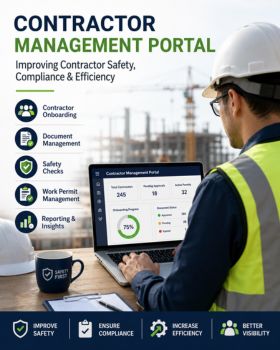
Key considerations often include centralized document management, contractor onboarding workflows, contractor checks, RAMS review capabilities, reporting functionality, vendor rating tools, alert management, scalability, and user accessibility.
Organizations should also consider how easily contractors can interact with the system and whether the platform supports efficient collaboration between contractors and internal stakeholders.
Frequently Asked Questions
What is Contractor Management Software?
Contractor Management Software is a digital solution that helps organizations manage contractor companies, workforce records, documentation, contractor checks, onboarding processes, training records, licences, insurance certificates, and reporting activities through a centralized platform.
How does a Contractor Portal help organizations?
A Contractor Portal provides a single location where contractors can upload documentation, manage records, complete onboarding requirements, and communicate with administrators. It helps improve visibility and simplify contractor information management.
Why do businesses use a Contractor Management System?
Organizations use a Contractor Management System to centralize contractor records, improve visibility, streamline onboarding, support contractor checks, manage documentation, and reduce administrative effort.
What features should organizations expect from Contractor Software?
Common features include contractor onboarding, document management, contractor checks, RAMS review workflows, reporting dashboards, alert management, vendor rating tools, and workforce record management capabilities.
How can the Best Contractor Management Software support efficiency?
The Best Contractor Management Software can help organizations reduce manual administration, improve access to contractor information, streamline workflows, and provide better visibility across contractor management activities.

Conclusion
As contractor workforces continue to grow, organizations need efficient and scalable solutions to manage documentation, onboarding, compliance requirements, workforce records, and contractor-related activities. A modern Contractor Management System can help centralize information, improve visibility, streamline workflows, and reduce the administrative burden associated with managing contractors.
EHA Soft’s Contractor Management Solution empowers organizations to digitize contractor processes, maintain accurate records, enhance reporting capabilities, and improve operational efficiency through a centralized platform. By bringing contractor information, compliance management, onboarding, training records, and performance monitoring together in one system, businesses can create a more structured and connected approach to contractor management.
Ready to simplify contractor management and improve workforce visibility? Contact EHA Soft today to book a demo and discover how our digital solutions can help support your organization’s long-term operational and compliance goals.
Learn more about the solution here:
https://sheqnetwork.com/contractor-management-software/
Book your personalized demonstration today
📞 Contact Us
USA: +1 (941) 337-1671
Ireland: (+353) 21 4536034
UK: (+44) 800 8021092
📧 info@sheqnetwork.com
🔗 https://sheqnetwork.com/



One Comment