Organizations across industries rely on contractors to support daily operations, specialized projects, maintenance work, and technical services. While contractors bring expertise and flexibility, managing multiple contractor companies and their workers can quickly become complex without a structured system. Documentation, safety compliance, training records, insurance details, and risk assessments must all be tracked carefully to ensure workplace safety and regulatory compliance.
This is where a modern contractor management software solution could help organizations simplify contractor oversight while improving operational visibility and safety performance. Instead of relying on spreadsheets, emails, and manual documentation, businesses can adopt a centralized contractor management system that provides real-time insights into contractor compliance and performance.
The Growing Importance of Effective Contractor Management
Contractors often operate in environments where safety, compliance, and operational coordination are critical. Construction sites, manufacturing plants, logistics facilities, and industrial workplaces regularly involve multiple contractor companies working simultaneously. Without proper contractor management, organizations may struggle to maintain oversight of contractor documentation, safety procedures, and workforce qualifications.
A structured contractor management approach could help organizations ensure that every contractor entering the workplace meets required safety and compliance standards. This includes verifying licenses, reviewing insurance documentation, evaluating risk assessments, and confirming employee training records.
When these processes are managed manually, maintaining accuracy becomes difficult and time-consuming. A centralized contractor software platform allows organizations to store and monitor contractor information in one secure environment, making compliance tracking significantly easier.

Why Traditional Contractor Oversight Methods Often Fail
Many organizations still manage contractor records using spreadsheets, email threads, and scattered documentation. While this approach may work for a small number of contractors, it becomes inefficient as the contractor network grows.
Missing documents, expired certifications, and incomplete safety records can easily go unnoticed in manual systems. These gaps may increase the risk of compliance failures, safety incidents, and operational delays.
A digital contractor management system could help eliminate these inefficiencies by automating contractor documentation workflows. Contractors can upload required documents directly through a centralized portal, while internal teams can review and approve submissions within the same system.
This structured process improves accountability while reducing the administrative burden placed on safety and compliance teams.

How Contractor Management Software Could Improve Compliance Visibility
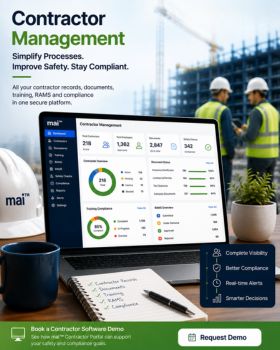
One of the most valuable advantages of contractor management software is the ability to gain complete visibility into contractor compliance status. Organizations can monitor contractor documentation, employee qualifications, and safety certifications through a single integrated platform.
Contractor companies can upload important documents such as:
- Insurance certificates
- Safety manuals
- Risk assessments
- Licenses and permits
At the same time, contractor employee records including training certifications, induction records, and background checks can also be managed within the system.
This centralized visibility could help organizations quickly identify missing documentation or expired certifications before contractors begin work. Automated alerts ensure that compliance gaps are flagged early, allowing organizations to address issues proactively rather than reacting to problems later.

Supporting a Strong Safety Program for Contractors
Maintaining a consistent safety program for contractors is essential for organizations that operate in regulated industries or high-risk environments. Contractors must follow the same safety expectations as internal employees, yet enforcing these standards can be challenging without proper systems.
A structured contractor management system allows organizations to require contractors to complete safety inductions, submit risk assessments, and demonstrate their safety procedures before they are approved for site access.
By integrating contractor safety data into a centralized platform, organizations gain valuable insights into contractor safety performance. Incident records, safety compliance history, and training completion rates can all be monitored in one location.
This level of visibility could help safety managers identify potential risks earlier and ensure that contractor activities align with workplace safety policies.

Improving Operational Efficiency Through Contractor Software
Administrative inefficiencies often become a major challenge when managing large contractor networks. Teams may spend significant time requesting documents, verifying compliance records, and coordinating communication with contractor companies.
A digital contractor software platform streamlines these processes by providing a centralized contractor portal where documentation, approvals, and updates can be managed efficiently.
Contractor onboarding becomes significantly faster because contractors can upload documentation directly through the portal. Internal teams can review submissions, approve requirements, and monitor compliance status without switching between multiple systems.
This improved efficiency could help organizations reduce administrative workload while maintaining stronger oversight of contractor operations.

Strengthening Risk Management and Contractor Accountability
Risk management is a critical component of effective contractor oversight. Every contractor entering a workplace introduces potential operational, legal, and safety risks. Without proper evaluation processes, organizations may unknowingly approve contractors who do not meet required standards.
A structured contractor management system could help organizations implement contractor pre-qualification processes, vendor performance evaluations, and risk assessment reviews before contractors begin work.
Through ongoing monitoring, organizations can track contractor performance, safety records, and compliance history over time. This data-driven approach helps businesses identify reliable contractors while reducing exposure to operational risks.

Enhancing Communication Between Organizations and Contractors
Communication gaps between contractors and organizations can lead to misunderstandings, delays, and compliance issues. Important safety updates, documentation requests, and policy changes may not always reach the right people at the right time.
A centralized contractor management software platform could help improve communication by providing contractors with a dedicated portal where they can receive notifications, submit documentation, and track approval status.
This transparent communication channel helps both organizations and contractors stay aligned on compliance expectations and operational requirements.

Exploring a Contractor Management Software Demo
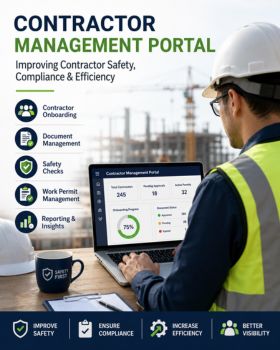
For organizations evaluating digital solutions, exploring a contractor management software demo can provide valuable insight into how a contractor portal operates in real-world scenarios. A demonstration allows businesses to see how contractor onboarding, document management, and compliance tracking function within the platform.
By reviewing a live system, decision-makers can better understand how the software could help improve contractor oversight, streamline safety processes, and enhance operational efficiency.
A well-designed contractor platform offers more than just document storage. It provides organizations with the tools needed to manage contractor compliance, safety programs, and workforce documentation within one structured environment.

Building a Safer and More Efficient Contractor Management Process
As organizations continue to rely on external contractors for specialized work, the need for structured contractor oversight will continue to grow. Managing contractor documentation, safety programs, and compliance requirements through manual systems can limit visibility and increase operational risk.
A modern contractor management software solution could help organizations create a more efficient, transparent, and compliant contractor management process. By centralizing contractor records, safety programs, and compliance tracking into one system, businesses gain better control over contractor operations.
When contractor oversight becomes more structured and data-driven, organizations can strengthen workplace safety, reduce compliance risks, and improve collaboration with contractor partners. Over time, adopting a comprehensive contractor management system can support safer worksites, more efficient operations, and stronger contractor relationships.
Conclusion
Effective contractor oversight is essential for maintaining safety, compliance, and operational efficiency. A reliable contractor management system could help organizations gain better visibility into contractor documentation, safety records, and workforce qualifications. With SHEQ Network’s contractor management software, businesses can streamline contractor compliance, improve safety programs, and manage contractor information more efficiently through one centralized platform.
Schedule a 45-minute call:
https://sheqnetwork.com/schedule-a-call/
📞 Contact Us
USA: +1 (941) 337-1671
Ireland: (+353) 21 4536034
UK: (+44) 800 8021092
📧 info@sheqnetwork.com
🔗 https://sheqnetwork.com/