
Managing contractors effectively has become a critical priority for organizations operating in industries such as construction, manufacturing, energy, utilities, and infrastructure. Contractors often perform specialized tasks that contribute significantly to project success, but they can also introduce additional compliance, safety, and operational challenges when not managed properly.
Implementing strong Contractor Management Best Practices can help organizations maintain visibility across contractor activities, improve communication, strengthen safety processes, and support regulatory compliance. As contractor workforces continue to grow, businesses are increasingly turning to digital solutions such as a contractor management portal and contractor tracking software to streamline contractor oversight and improve operational performance.
Why Contractor Management Matters
Contractors frequently work across multiple sites, departments, and projects. Without a structured management approach, organizations could face challenges related to expired certifications, inconsistent onboarding, incomplete documentation, and limited visibility into contractor activities.
A well-designed contractor management strategy can help organizations centralize information, standardize processes, and maintain greater control over contractor engagement throughout the entire lifecycle. From prequalification and onboarding to ongoing monitoring and performance reviews, every stage presents opportunities to strengthen safety and efficiency.
Modern organizations are increasingly adopting digital solutions because manual spreadsheets and paper-based systems often become difficult to maintain as contractor numbers increase. This is where advanced contractor compliance management processes and technology platforms can provide significant value.
Building a Strong Foundation Through Contractor Prequalification
One of the most effective contractor management practices begins before any contractor arrives on-site. Contractor prequalification allows organizations to review relevant documentation, competencies, certifications, insurance records, and company information before engagement.
A structured prequalification process could help businesses identify potential compliance gaps early while providing greater confidence that contractors meet organizational requirements. By establishing clear expectations from the beginning, organizations can create a more consistent contractor onboarding experience.
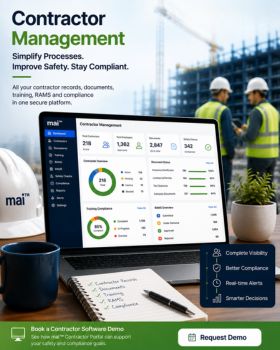
Digital platforms such as the mai™ Contractor Portal support centralized document management, making it easier for organizations to review contractor information and maintain accurate records throughout the contractor lifecycle.
Streamlining Contractor Onboarding and Induction
Contractor onboarding plays a crucial role in communicating site requirements, safety expectations, and operational procedures. Traditional onboarding processes often involve extensive paperwork and administrative effort, which can create delays and inconsistencies.
Online induction programs can help simplify onboarding while improving accessibility for contractors. By providing access to training materials before arriving on-site, organizations can reduce administrative workloads and support a smoother site-entry process.
A modern contractor management portal can centralize onboarding activities, training records, and compliance documentation, allowing both contractors and administrators to access important information from a single location.
Strengthening Contractor Compliance Management
Maintaining compliance is an ongoing responsibility rather than a one-time activity. Regulations, certifications, insurance documents, and training requirements can change frequently, creating challenges for organizations managing large contractor workforces.
Effective contractor compliance management involves regularly reviewing contractor records, monitoring document expiry dates, and conducting structured safety checks throughout project execution.
Automated notifications and compliance dashboards can help organizations stay informed about upcoming requirements and documentation updates. Rather than relying on manual tracking methods, businesses can leverage digital systems that support ongoing monitoring and reporting.
Organizations seeking greater visibility often find that integrated contractor management solutions can simplify compliance administration while reducing the risk of missing important updates.
Using Contractor Tracking Software for Better Visibility
Visibility remains one of the most important elements of successful contractor management. Organizations need accurate information about who is working on-site, what activities are being performed, and whether required documentation remains current.
Modern contractor tracking software can provide real-time insights into contractor status, training completion, site access permissions, and compliance records. This visibility could help managers make informed decisions while improving operational coordination across multiple locations.
When contractor information is centralized, organizations can quickly access reports, review contractor performance data, and identify areas that may require additional attention. Improved visibility also supports stronger communication between contractors, site supervisors, and management teams.
Conducting Structured Safety Checks
Safety remains a key focus area for organizations working with contractors. Regular safety checks can help businesses assess whether contractors are following site requirements and maintaining expected standards during project execution.
These safety checks could include reviewing training records, examining work permits, monitoring site activities, and evaluating adherence to established procedures. Structured safety checks support continuous improvement by helping organizations identify trends and opportunities for corrective action.
Digital contractor management systems can assist with recording observations, tracking actions, and maintaining audit-ready records that support broader safety objectives.
The Role of Technology in Modern Contractor Management
As contractor workforces become larger and more complex, organizations are increasingly adopting technology to improve efficiency and consistency. The best contractor management software solutions bring together multiple functions into a single platform, reducing the need for disconnected systems and manual processes.
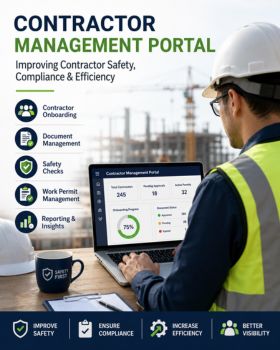
Platforms such as the mai™ Contractor Portal can support document management, contractor onboarding, compliance monitoring, reporting, and contractor communication from a centralized environment.
Organizations that embrace digital contractor management often experience improved visibility, streamlined workflows, and more efficient administration across contractor operations.
Looking for a Contractor Software Demo?
Organizations exploring ways to improve contractor oversight could benefit from reviewing a contractor software demo to better understand how modern contractor management technology supports compliance, onboarding, safety checks, and reporting processes.
EHA Soft’s mai™ Contractor Portal provides organizations with tools designed to support contractor lifecycle management while helping teams improve visibility, efficiency, and compliance management activities.
Measuring Contractor Performance and Continuous Improvement
Effective contractor management extends beyond compliance monitoring. Organizations that regularly evaluate contractor performance can gain valuable insights into safety outcomes, project delivery, communication effectiveness, and overall contractor engagement.
Performance reviews can help identify high-performing contractors while highlighting opportunities for process improvements. By using data-driven reporting, organizations can make informed decisions that support long-term contractor management objectives.
Continuous improvement initiatives become easier when contractor information, compliance records, and performance metrics are available within a centralized management system.
Creating a Culture of Accountability and Collaboration
Successful contractor management is not solely about technology or documentation. Strong relationships, clear communication, and shared accountability also play important roles in achieving positive outcomes.
Organizations that establish transparent expectations and maintain consistent communication with contractors often create stronger working relationships. This collaborative approach can help improve engagement, support safety initiatives, and encourage greater alignment with organizational goals.
When supported by effective processes and technology, collaboration becomes easier to maintain across multiple projects and contractor teams.
Conclusion
Implementing effective Contractor Management Best Practices can help organizations strengthen safety, improve operational efficiency, and support long-term compliance objectives. From contractor prequalification and onboarding to ongoing monitoring and structured safety checks, every stage of the contractor lifecycle presents opportunities for improvement.
Digital solutions such as a contractor management portal and contractor tracking software can provide the visibility and control organizations need to manage contractors more effectively. Strong contractor compliance management processes, supported by technology, can help organizations maintain accurate records, streamline workflows, and improve oversight across contractor operations.
For organizations seeking the best contractor management software, EHA Soft’s mai™ Contractor Portal offers a modern solution designed to support contractor onboarding, compliance management, safety checks, reporting, and contractor performance tracking.
Book a Contractor Software Demo today to explore how the mai™ Contractor Portal could help your organization improve contractor management, strengthen compliance processes, and support safer, more efficient operations.
Book your personalized demonstration today
📞 Contact Us
USA: +1 (941) 337-1671
Ireland: (+353) 21 4536034
UK: (+44) 800 8021092
📧 info@sheqnetwork.com



2 Comments