
Workplace safety has always depended on clear procedures, accurate documentation, and strong communication between teams. For many years, organizations relied on printed forms, physical registers, and manual approval processes to manage safety operations. While these methods once supported compliance requirements, the complexity of modern workplaces has grown significantly. Multiple contractors, high-risk tasks, and strict safety standards now require faster coordination and better visibility.
Because of these changes, many companies are recognizing that traditional paperwork alone can no longer support a modern Safety Management System. Paper documents may still capture important information, but they often slow down communication and make it harder to track safety activities across worksites. As a result, organizations are increasingly exploring digital tools that could help improve how safety processes are managed and documented.

The Growing Complexity of Workplace Safety
Industries such as construction, manufacturing, energy, and infrastructure often involve multiple teams working simultaneously. Contractors, technicians, supervisors, and safety managers must coordinate closely to ensure that tasks are performed safely.
In paper-based environments, this coordination can become difficult. Safety documents may be stored in different locations, approvals may take time to process, and important information might not be visible to everyone involved in the operation. When safety procedures depend heavily on physical documents, delays and communication gaps can occur.
A well-structured Safety Management System is designed to reduce these challenges by organizing safety procedures, documentation, and communication in a more structured way. However, when that system relies mainly on paperwork, maintaining visibility across large operations can become increasingly difficult.

Contractor Oversight Requires Greater Visibility
Many organizations rely on contractors to perform specialized tasks, including maintenance work, equipment installation, or facility upgrades. Managing contractor documentation through paper files can quickly become complicated, particularly when several contractors are working on the same project.
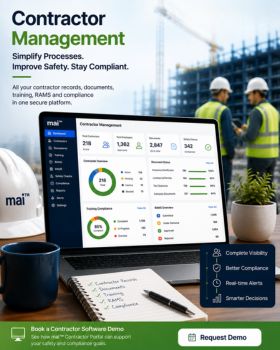
A structured Contractor management system could help centralize contractor records and improve visibility into important safety information such as training records, site access permissions, and required documentation. When contractor information is scattered across emails or folders, safety teams may struggle to confirm whether workers meet site requirements before work begins.
It is also important to clarify how documentation is reviewed. Some organizations refer to this process as safety verification, but in practice many companies perform safety checks rather than formal verification. These checks are intended to ensure that the necessary documents and information are available before work starts. By improving how these checks are organized, organizations may reduce administrative complexity and maintain clearer oversight of contractor activities.

Managing Permits Through Paper Can Slow Operations
Many high-risk activities require formal authorization before work can begin. Maintenance tasks, confined space entry, electrical work, and equipment repairs often require a permit to confirm that hazards have been assessed and control measures are in place.
When these permits are handled through printed forms, the process may involve several manual steps. Workers complete the paperwork, supervisors review the request, and safety personnel may need to check additional information before approving the task. Although these steps are essential for safety, paper processes can introduce delays and make it harder to track active permits.
Digital tools such as permit to work software could help organizations streamline this process by organizing permit requests and approvals within a single platform. This approach may allow supervisors to review requests more quickly while ensuring that safety requirements are documented clearly.
Certain high-risk tasks require even more detailed safety controls. Activities involving welding, cutting, or grinding produce heat and sparks that may increase the risk of fire or explosions in certain environments. In these cases, specialized hot work permit software could help document the safety precautions required before such tasks begin. By organizing these permits digitally, organizations may maintain better oversight of high-risk activities.

Training Records Are Difficult to Manage with Paper
Safety training plays an essential role in preventing workplace incidents. Workers must understand site hazards, emergency procedures, and safe work practices before performing their duties. However, maintaining training records through paper documentation can create administrative challenges.
Many organizations rely on printed sign-in sheets or spreadsheets to track training participation. Over time, these records can become difficult to maintain, especially when employees move between roles or contractors rotate across projects. Safety teams may need to review several documents to confirm whether workers have completed the required training.
Digital learning tools such as online induction software could help simplify this process by storing training records in a centralized system. Workers may complete inductions online, and safety teams can review completion records whenever needed. This approach may improve visibility of training compliance while reducing the administrative effort required to manage records.
To better understand the value that training programs bring to an organization, measuring their impact can be useful.
👉 To calculate the value of your training programs, try the free SHEQ Training ROI Calculator here:
https://sheqnetwork.com/sheq-training-roi-calculator/
Evaluating training outcomes may help organizations understand how safety education contributes to workplace performance.
Another advantage of digital training systems is accessibility. Many online induction software platforms are supported through mobile applications, allowing workers to complete training on their devices. Some systems may also continue to function even when internet connectivity is limited, which could be particularly helpful for remote worksites.

Mobile Tools Are Supporting Modern Safety Operations
As safety technology evolves, many organizations are exploring mobile solutions that could support workers directly in the field. Mobile applications may allow supervisors to review permits, monitor safety activities, or access training information without returning to a central office.
For example, some permit to work software platforms provide mobile apps that allow safety teams to manage permits directly from the worksite. This may improve communication between supervisors and workers while helping teams respond more quickly to operational changes.
Similarly, mobile access can support training processes. When online induction software includes an app that works offline, workers may complete site inductions even in environments where internet connectivity is inconsistent. This flexibility could help ensure that safety information remains accessible whenever it is needed.

Moving Toward More Connected Safety Systems
The shift away from paper documentation reflects a broader change in how organizations manage workplace safety. As operations become more complex, companies need faster access to accurate information and clearer coordination between teams.
Digital platforms could help connect different safety processes within a single environment. Contractor documentation, permits, and training records may be organized more efficiently, allowing safety teams to monitor activities across multiple locations. By integrating tools such as a Contractor management system, permit to work software, hot work permit software, and online induction software into a broader Safety Management System, organizations may improve visibility and maintain more consistent safety checks.

Supporting Safer Workplaces with Modern Tools
As companies move away from paper-based processes, many are exploring digital solutions that could help streamline safety management while maintaining strong compliance practices. Platforms such as SHEQ Network provide tools designed to support key safety processes, including contractor checks, permit management, and training programs. These systems aim to help organizations organize their safety documentation more effectively while supporting teams through web platforms and mobile apps. For example, the platform offers mobile applications for both work permit management and online inductions, with induction tools that can also operate offline when connectivity is limited.

Schedule a 45-minute call:
Book your personalized demonstration today
📞 Contact Us
USA: +1 (941) 337-1671
Ireland: (+353) 21 4536034
UK: (+44) 800 8021092
📧 info@sheqnetwork.com
🔗 https://sheqnetwork.com/


One Comment