Managing contractors across multiple projects, sites, and operational environments requires more than basic record keeping. Organizations often work with numerous contractor companies, each responsible for submitting documentation, safety information, and operational details before beginning work. When this information is handled through emails, spreadsheets, or disconnected systems, maintaining clear oversight can become difficult.
A structured digital environment could help organizations organize contractor information more effectively while improving transparency and administrative efficiency. Platforms designed specifically for contractor oversight allow businesses to centralize documentation, manage onboarding processes, and maintain visibility of contractor activities. Businesses searching for the best contractor management software often look for systems that combine simplicity with practical features that support safety, compliance, and operational organization.
Below are seven important features that could help organizations manage contractors more efficiently while supporting safer and more organized operations.

1. Centralized Contractor Portal for Information Management
A centralized system for contractor information is one of the most important foundations of effective contractor management. When contractor records are stored across different files, emails, and departments, it becomes difficult to maintain accurate and up-to-date information. A centralized contractor management portal could help organizations store contractor documentation, company details, and worker information in one organized digital location.
Within a structured portal environment, contractor companies can upload documentation such as insurance certificates, licenses, policies, and other required records directly into the system. Internal teams can then review and access these documents without needing to search through multiple communication channels. This type of centralized structure could help improve transparency while making it easier for organizations to maintain consistent contractor records across different projects or operational sites.
By keeping contractor information organized in one place, organizations could reduce administrative confusion and maintain clearer oversight of contractor documentation and company information.

2. Structured Document Checks for Compliance Oversight
Managing contractor documentation requires ongoing review to ensure important records are available and current. A structured system could help organizations conduct document checks that allow internal teams to review contractor submissions in an organized and consistent way.
These processes focus on reviewing contractor documents rather than formally verifying them. The system supports checks instead of verification, allowing organizations to review submitted documentation and maintain visibility of contractor records within the portal environment.
Through a structured contractor management solution, teams could monitor documentation status, review contractor submissions, and maintain a clearer understanding of which documents have been provided. This approach helps organizations stay organized while maintaining awareness of contractor documentation without relying on manual tracking processes.

3. Streamlined Contractor Onboarding Workflows
Contractor onboarding often involves multiple steps, including collecting company details, reviewing safety documentation, and confirming that required information has been submitted before work begins. When onboarding processes are handled manually, delays and miscommunication can easily occur.
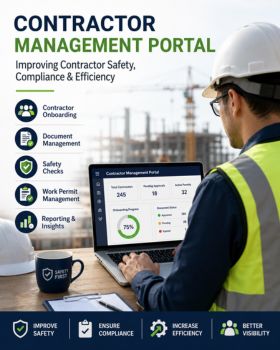
A structured contractor management platform could help simplify contractor onboarding by providing a digital environment where contractor companies submit their information directly. Instead of exchanging multiple emails or physical documents, contractors can upload the required information into the platform where internal teams can review it through a consistent workflow.
This structured onboarding process could help organizations maintain a clearer record of contractor submissions while reducing the administrative workload associated with onboarding new contractor companies. Over time, a consistent onboarding structure could help improve efficiency while making contractor coordination easier to manage across different teams or locations.

4. Improved Visibility Through Contractor Dashboards
Maintaining visibility of contractor activities is essential for organizations managing multiple contractor companies across various projects. Without clear insight into contractor records and documentation status, managers may struggle to understand whether contractor information has been submitted or reviewed.
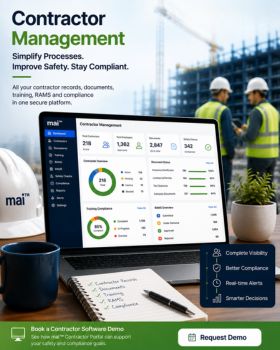
Dashboards within a digital system could help present contractor information in an organized and accessible format. Through a centralized contractor portal, managers can view contractor profiles, track documentation progress, and review contractor information from a single interface.
This type of visibility could help organizations identify documentation gaps more quickly while maintaining a clearer understanding of contractor activity across projects. By providing structured access to contractor information, dashboards could support better oversight and more informed decision-making when managing contractor relationships.

5. Organized Safety and Risk Documentation
Contractors often perform tasks that involve safety considerations and operational risks. Managing safety documentation for multiple contractor companies can become difficult when information is scattered across different systems or communication channels.
A structured contractor management solution could help organizations organize safety-related documentation associated with contractor activities. Documents such as risk assessments, safety policies, and other relevant safety information can be stored within the system where they remain accessible to internal teams when needed.
By maintaining organized safety documentation within the system, organizations could improve visibility of contractor-related safety information and maintain clearer oversight of safety documentation associated with contractor operations.

6. Automated Compliance Monitoring
Monitoring contractor documentation manually can become increasingly difficult as the number of contractors grows. Organizations often need a structured approach to reviewing contractor submissions and maintaining awareness of documentation status.
A digital contractor management platform could help support compliance monitoring by organizing contractor documentation and highlighting records that require attention. Automated reminders and structured workflows could help internal teams stay aware of contractor submissions without manually tracking documentation through spreadsheets or emails.
Businesses exploring contractor management technologies may benefit from reviewing a contractor management software demo to better understand how these monitoring capabilities work in practice. Demonstrations often provide insight into how contractor documentation can be organized and reviewed within a centralized system.

7. Scalable Contractor Management for Growing Organizations
As organizations expand their operations, they often begin working with a larger network of contractor companies. Managing contractor relationships at scale requires structured processes that help maintain consistent documentation and onboarding practices.
A digital contractor portal could help organizations manage contractor information more efficiently as their operations grow. By maintaining contractor records, documentation, and onboarding workflows within a single environment, organizations could reduce administrative complexity while maintaining clear oversight of contractor relationships.
Scalable systems allow businesses to manage contractor information in a more sustainable way, ensuring that contractor management processes remain organized even as the number of contractors increases across projects and operational locations.

Supporting Safer and More Organized Contractor Management
Organizations looking to modernize contractor oversight may consider platforms designed specifically for safety, compliance, and operational visibility. Solutions like SHEQ Network bring contractor information, documentation checks, and onboarding workflows into a single environment that could help teams manage contractors in a more structured and organized way. A centralized contractor management platform can support clearer oversight while reducing the complexity of managing contractor data across multiple sites.
By using a digital system, businesses could maintain more consistent contractor processes and improve how information is reviewed and accessed internally. Platforms such as SHEQ Network are built to support organizations that want to streamline contractor coordination while maintaining strong safety and compliance practices across their operations.
Schedule a 45-minute call:
Book your personalized demonstration today
📞 Contact Us
USA: +1 (941) 337-1671
Ireland: (+353) 21 4536034
UK: (+44) 800 8021092
📧 info@sheqnetwork.com
🔗 https://sheqnetwork.com/