
Working with contractors has become an essential part of modern business operations. Organizations across industries such as construction, manufacturing, infrastructure, and facility management rely on contractors and subcontractors to complete specialized work. While contractors bring expertise and flexibility, managing them efficiently can become complex without structured systems.
Businesses often deal with multiple contractors across different projects, locations, and teams. Without proper tools, tracking documentation, maintaining safety oversight, and coordinating contractor activities can create operational challenges. This is where contractor software could help organizations manage contractor relationships more effectively while maintaining visibility across contractor operations.
Below are some of the key challenges organizations face when working with contractors and how structured contractor management systems could help address them.

Managing Multiple Contractors Across Different Projects
Many businesses work with several contractors simultaneously, especially when projects involve multiple teams, specialized services, or different work locations. Tracking who is responsible for what task can quickly become difficult when information is stored across spreadsheets, emails, or internal documents.
Using contractor tracking software could help organizations centralize contractor information and monitor contractor involvement across projects. Instead of relying on scattered records, companies can maintain contractor profiles, project assignments, and documentation within a single platform.
When contractor information is easily accessible, teams can coordinate more effectively, reduce communication gaps, and maintain better operational oversight.

Coordinating Subcontractors Within Contractor Networks
Primary contractors often work with subcontractors to complete certain tasks or specialized work. While this helps businesses access specific expertise, managing subcontractors can create additional layers of complexity.
Organizations must ensure that subcontractors follow the same safety expectations, documentation standards, and operational procedures as the main contractors. Without structured systems, this coordination can lead to delays or miscommunication.
This is where subcontractor management software could help organizations manage contractor networks more effectively. A centralized platform allows businesses to maintain subcontractor records, manage documentation, and coordinate communication between contractors and subcontractors.
When subcontractor processes are organized within a structured system, businesses can maintain better control over project activities while ensuring consistency across all contractor teams.

Maintaining a Structured Safety Program for Contractors
Safety management becomes increasingly important when contractors work on-site or operate within regulated environments. Businesses often need to maintain a consistent safety program for contractors to ensure that safety expectations are clearly documented and communicated.
A structured safety program helps organizations maintain oversight of contractor safety documentation such as policies, training records, and risk assessments. Using contractor software could help companies organize safety-related information within a centralized environment.
It is important to clarify that these processes operate as Safety Checks. The system enables organizations to perform structured safety checks when reviewing contractor documentation and safety information.
By maintaining organized safety data and documentation, organizations can support safer work environments while ensuring contractor safety expectations remain consistent across projects.

Managing Contractor Documentation Efficiently
Contractor management often involves handling large volumes of documentation, including insurance details, safety policies, certifications, and operational records. When documentation is stored in multiple systems or email threads, it becomes difficult to maintain visibility and ensure records are up to date.
A centralized contractor software platform could help businesses manage contractor documents more effectively. Teams can upload and maintain documentation in a single environment, making it easier to review records and track updates when needed.
Improved document visibility also helps organizations maintain better administrative efficiency while reducing the time spent searching for contractor information.

Streamlining Contractor Onboarding and Pre-Qualification
Onboarding contractors typically requires collecting important documentation and ensuring that contractors understand safety requirements before beginning work. Without structured processes, onboarding can take longer than necessary and create additional workload for internal teams.
Using subcontractor management software could help organizations manage contractor onboarding through structured workflows. Companies can organize contractor documentation, pre-qualification questionnaires, and safety information within one platform.
Some contractor management systems also support structured contractor pre-qualification processes that help organizations review contractor information before work begins. This helps businesses maintain better oversight while improving the efficiency of contractor onboarding.

Tracking Contractor Safety Training and Induction
Organizations often require contractors to complete training or induction programs before entering a worksite. Managing these training records manually can become difficult when working with multiple contractors across locations.
Contractor tracking software could help organizations maintain records of contractor training and induction activities. A structured system allows businesses to store contractor training records and ensure that required safety information is communicated before contractors begin work.
Maintaining contractor training data within a centralized system also supports stronger safety governance while helping teams coordinate contractor readiness more effectively.

Monitoring Contractor Performance and Vendor Ratings
Businesses also face challenges when evaluating contractor performance across projects. Without centralized data, assessing contractor reliability, safety participation, and overall engagement can be difficult.
The best contractor management software could help organizations maintain clearer insights into contractor performance through structured reporting and vendor rating capabilities. By organizing contractor activity data in one place, businesses can better understand contractor engagement across projects.
These insights could help companies make more informed decisions when selecting contractors for future projects or evaluating long-term contractor relationships.

Improving Visibility Through Alerts and Reporting
Another common challenge businesses face is maintaining visibility into contractor updates and documentation changes. Without automated alerts or reporting systems, important updates may go unnoticed.
Using contractor software could help organizations improve visibility through reporting dashboards and alerts related to contractor documentation or safety information. When updates are organized within a centralized system, teams can quickly identify changes and maintain better operational awareness.
Structured reporting also helps businesses analyze contractor activity and maintain clearer oversight of contractor operations.

Improving Contractor Management with the Right Technology
Managing contractors effectively requires more than simply storing contact details or documentation. Organizations need structured processes that support contractor coordination, safety oversight, and contractor activity tracking.
Solutions such as those EHA Soft offers help organizations manage contractor data, documentation, and operational workflows through centralized platforms designed for contractor management.
When businesses implement the best contractor management software, they can streamline contractor coordination, improve documentation visibility, and maintain structured safety checks across projects.
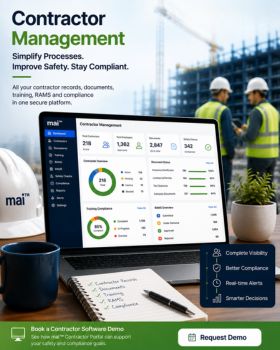
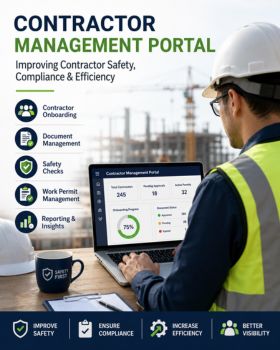
Organizations that want to explore how contractor management platforms work can request a Contractor software demo to better understand how these systems support contractor onboarding, safety checks, contractor tracking, and subcontractor coordination.
If your organization is looking for a structured solution to manage contractors more efficiently, SHEQ Network provides a contractor management platform designed to support contractor oversight, documentation management, and safety processes.

Learn more about the solution here:
https://sheqnetwork.com/contractor-management-software/
Book your personalized demonstration today
📞 Contact Us
USA: +1 (941) 337-1671
Ireland: (+353) 21 4536034
UK: (+44) 800 8021092
📧 info@sheqnetwork.com
🔗 https://sheqnetwork.com/



One Comment